When people think about shipping, they usually focus on packaging, transport routes, or delivery timelines. But there’s a silent player doing a lot of heavy lifting behind the scenes—the pallet. It might look like a simple platform, yet the choice between wooden and plastic pallets can quietly influence everything from logistics costs to product safety.
A wrong pallet choice can lead to damaged goods, higher transportation expenses, hygiene issues, and even compliance problems in certain industries. On the other hand, the right one can streamline operations, reduce losses, and improve efficiency across the supply chain.
That’s why this isn’t just a basic comparison—it’s a decision that can shape how smoothly your entire shipping system runs.
At its core, a pallet is a flat structure designed to support goods during storage and transportation. It allows products to be stacked, moved using forklifts, and handled efficiently across warehouses and shipping networks.
Pallets bring consistency and structure to logistics. Without them, loading and unloading would be slower, riskier, and far less organized. They also protect goods from direct contact with the ground, reducing exposure to moisture, dirt, and damage.
From manufacturing units and warehouses to retail distribution centers, pallets are everywhere. And while they all serve the same purpose, the material they’re made from changes everything.
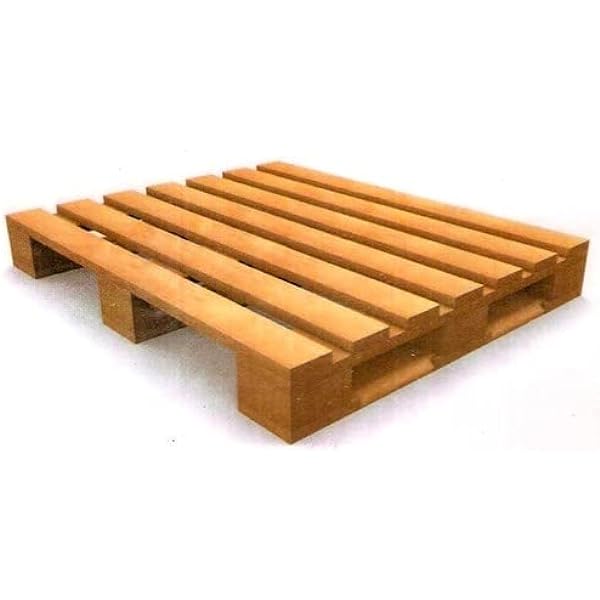
Wooden pallets have been the backbone of the shipping industry for decades. Built from hardwood or softwood, they are known for their strength, affordability, and widespread availability.
One of the biggest advantages of wooden pallets is their cost-effectiveness. They are relatively inexpensive to produce, making them ideal for businesses that require large quantities or operate on tight budgets. They’re also easy to repair—if a plank breaks, it can often be replaced without discarding the entire pallet.
Another reason for their popularity is their load-bearing capacity. Wooden pallets can handle heavy goods, making them a go-to choice for industries dealing with bulk shipments.
However, they are not without limitations. Wood is susceptible to moisture, pests, and splintering. Over time, this can lead to structural weakness and hygiene concerns, especially in sensitive industries.
Plastic pallets are relatively newer compared to their wooden counterparts, but they’ve quickly gained traction across various industries. Made from materials like high-density polyethylene (HDPE) or polypropylene (PP), these pallets are designed for durability and cleanliness.
One of their standout features is consistency. Unlike wood, plastic does not splinter, warp, or absorb moisture. This makes it highly suitable for environments where hygiene is critical, such as food processing and pharmaceuticals.
Plastic pallets are also lightweight, which can significantly reduce shipping costs—especially in large-scale or international operations. Their uniform design allows for better stacking and storage, improving space utilization.
On the downside, plastic pallets come with a higher upfront cost. They are also harder to repair, meaning damage often results in replacement rather than fixing.
When you put wooden and plastic pallets side by side, the differences become clear almost instantly.
Wooden pallets offer affordability and strength, but they can vary in size, weight, and durability. Plastic pallets, on the other hand, deliver consistency, cleanliness, and longer lifespan—but at a higher initial investment.
The decision isn’t about which one is universally better. It’s about which one aligns better with your business priorities—cost, durability, hygiene, or long-term efficiency.
Durability is one of the most important factors in pallet selection. Wooden pallets can handle heavy loads, but they are prone to wear and tear. Exposure to moisture can weaken the structure, and repeated use may lead to cracks or broken boards.
Plastic pallets excel in this area. They are resistant to water, chemicals, and environmental conditions. They don’t rot, rust, or degrade easily, making them suitable for long-term use.
If your operations involve repeated shipping cycles, plastic pallets often prove to be more durable. However, for one-time or short-term use, wooden pallets can still do the job effectively.
Cost is often the deciding factor for many businesses. Wooden pallets are cheaper upfront, making them attractive for companies with limited budgets or one-time shipping needs.
But cost isn’t just about the purchase price. Maintenance, replacement frequency, and product damage also play a role in the overall expense.
Plastic pallets may require a higher initial investment, but they tend to last longer and require less maintenance. Over time, this can translate into better value, especially for businesses with continuous shipping operations.
So the real question isn’t “Which is cheaper?”—it’s “Which offers better value over time?”
Based in Ahmedabad, Gujarat, Kobawala Containers is a trusted name in delivering secure and cost-effective packaging solutions for businesses of all sizes. Established in 2002, the company was founded with a clear vision to transform the packaging industry through quality, innovation, and customer-centric practices. Over the years, Kobawala Containers has continuously evolved, aligning its offerings with the changing demands of modern industries.
With a strong commitment to excellence, the company provides a comprehensive range of packaging products, including angle boards, apple boxes, blister packaging, jumbo boxes, kraft paper boxes, wooden pallets, and more. Each product is manufactured using high-quality materials, ensuring durability, protection, and value for money across diverse applications.
Under the leadership of Mr. Ketan Shah, Kobawala Containers has grown into a reliable and recognized packaging partner. His entrepreneurial vision and industry expertise have played a key role in shaping the company’s growth, enabling it to consistently deliver dependable solutions while maintaining long-term client trust.
In industries like food, pharmaceuticals, and chemicals, hygiene is non-negotiable. Wooden pallets can absorb moisture and harbor bacteria, making them less suitable for such environments.
Plastic pallets, being non-porous, are easy to clean and sanitize. They don’t support the growth of mold or bacteria, which makes them ideal for industries with strict hygiene standards.
For businesses dealing with sensitive goods, this factor alone can make plastic pallets the obvious choice.
Sustainability is becoming a major concern in modern logistics. Wooden pallets are often seen as eco-friendly because they are made from natural materials and can be recycled or repurposed.
However, plastic pallets are also recyclable and tend to have a longer lifespan. This means fewer replacements and less waste over time.
The environmental impact depends on how the pallets are used. If wooden pallets are reused and recycled properly, they can be sustainable. Similarly, plastic pallets used in closed-loop systems can also minimize environmental impact.
Weight plays a crucial role in shipping efficiency. Wooden pallets are generally heavier, which can increase transportation costs—especially in air freight.
Plastic pallets are lighter, making them easier to handle and more cost-efficient for long-distance shipping. Their uniform shape also allows for better stacking and space optimization.
However, when it comes to extremely heavy loads, wooden pallets often have an edge due to their natural strength.
Despite the rise of plastic pallets, wooden pallets continue to hold strong in many scenarios.
They are ideal for:
Their low cost and high load capacity make them a practical choice for many businesses.
Plastic pallets shine in environments where consistency, hygiene, and long-term use are critical.
They are best suited for:
Their durability and cleanliness make them a reliable option for modern logistics systems.
Wooden pallets offer affordability, easy repair, and strong load capacity. However, they are prone to moisture damage, pest infestation, and inconsistent quality.
Plastic pallets provide durability, hygiene, and uniformity. On the downside, they come with higher upfront costs and limited repair options.
| Attribute | Wooden Pallet | Plastic Pallet |
|---|---|---|
| Material | Hardwood / Softwood | HDPE / PP (Virgin or Recycled Plastic) |
| Initial Cost | Low | High |
| Lifespan | Short to Medium | Long |
| Durability | Moderate (prone to damage) | High (resistant to wear) |
| Weight | Heavy | Lightweight |
| Load Capacity | Very High (ideal for heavy goods) | High (depends on design) |
| Repairability | Easy to repair | Difficult to repair |
| Moisture Resistance | Low (absorbs water) | High (waterproof) |
| Pest Resistance | Low (susceptible to insects) | High (no pest issues) |
| Hygiene Level | Low (can harbor bacteria) | High (easy to clean) |
| Fire Risk | High | Moderate to Low |
| Consistency | Variable (size/quality may differ) | Uniform and consistent |
| Environmental Impact | Biodegradable, recyclable | Recyclable, longer lifecycle |
| Export Compliance | Requires ISPM-15 treatment | No treatment required |
| Handling Ease | Moderate | Easy |
| Maintenance | Frequent | Minimal |
| Reusability | Limited | High |
| Best Use Case | One-time / heavy-duty shipments | Hygienic / long-term use |
This Table Shows The Difference Between wooden and plastic pallets.
Choosing between wooden and plastic pallets comes down to understanding your specific needs.
If your priority is low cost and heavy load handling, wooden pallets may be the better option. If you value hygiene, durability, and long-term efficiency, plastic pallets are worth the investment.
Ask yourself:
Answering these questions will help you make a more informed decision.
No matter which pallet you choose, proper handling can extend its lifespan significantly.
Store pallets in dry, covered areas to prevent damage. Avoid overloading them beyond their capacity. Regular inspections can help identify issues early, preventing bigger problems down the line.
For plastic pallets, cleaning and proper stacking can maintain their condition. For wooden pallets, timely repairs can keep them functional for longer.
There is no universal winner in the wooden vs plastic pallet debate. Each has its strengths and limitations, and the right choice depends entirely on your business needs.
Wooden pallets are practical, affordable, and reliable for many traditional applications. Plastic pallets bring modern advantages like hygiene, durability, and efficiency.
The smartest approach is not to pick one blindly, but to align your choice with your operational goals. When you do that, the pallet stops being just a base—it becomes a strategic asset.
1. Are plastic pallets better than wooden pallets?
► Not necessarily. They are better for hygiene and durability, while wooden pallets are better for cost and heavy loads.
2. Which pallet is cheaper in the long run?
► Plastic pallets can be more cost-effective over time due to their longer lifespan.
3. Are wooden pallets safe for international shipping?
► Yes, but they often require treatment and certification to meet export regulations.
4. Can plastic pallets handle heavy loads?
► Yes, but their load capacity varies by design. High-quality plastic pallets can handle substantial weight.